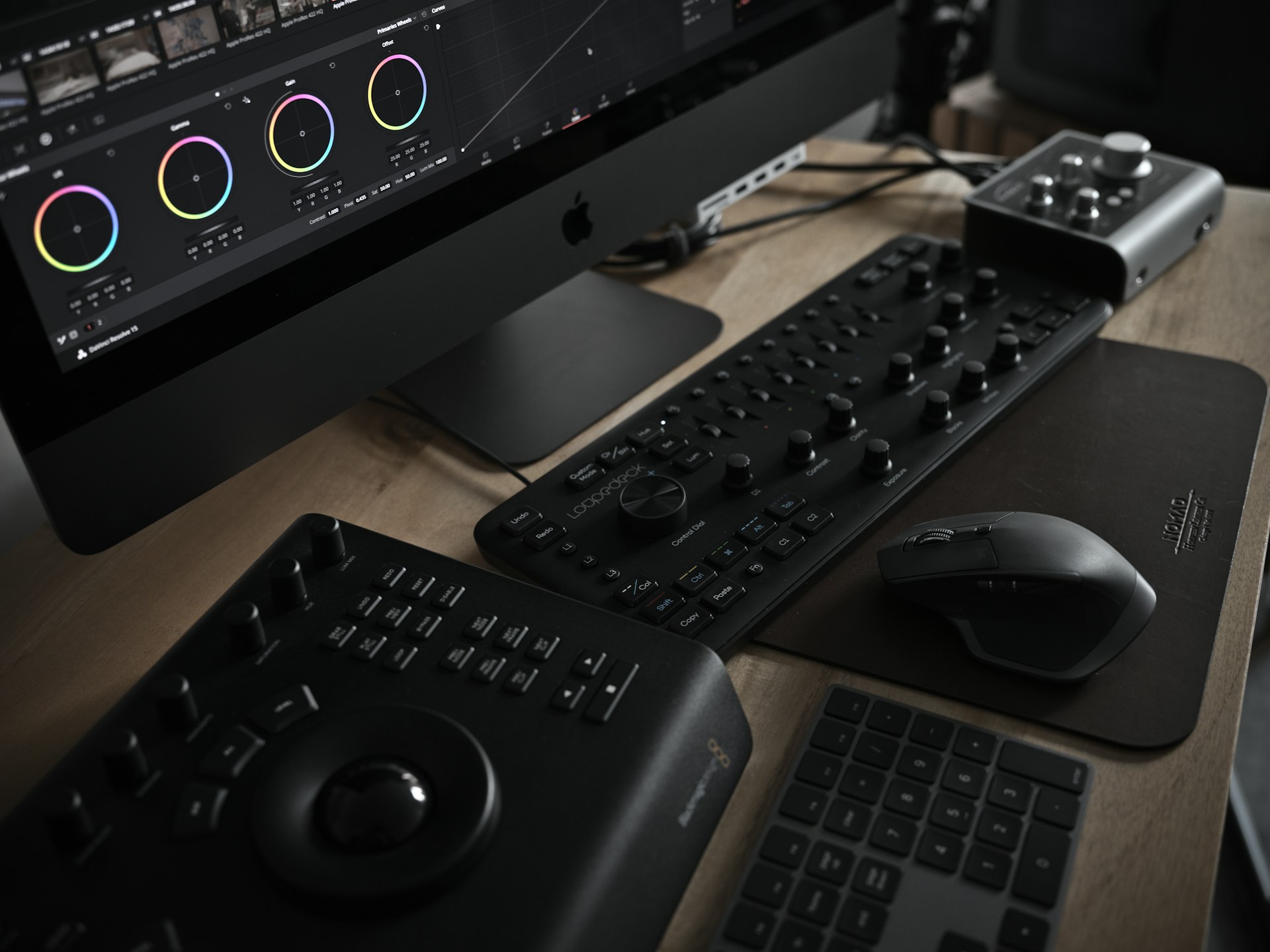
Building a Consistent Visual Style as a Videographer

Building a Consistent Visual Style as a Videographer

  |  Lancelot Schweicher

Introduction

A consistent visual style helps videographers stand out in an increasingly competitive creative industry. Beyond technical skills, visual consistency builds trust, professionalism, and recognisability.

Developing a visual style requires intention, experimentation, and refinement.

Defining Your Creative Preferences

A visual style begins with understanding personal preferences. These include colour palettes, framing choices, lighting styles, and editing rhythm.

Reviewing past projects helps identify patterns and strengths.

Consistency Through Editing

Editing choices such as colour grading, transitions, and pacing contribute significantly to visual consistency. Using similar tools and presets across projects reinforces a coherent look.

Digital resources help streamline this process.

Visual Style and Personal Branding

For videographers and content creators, visual style becomes part of personal branding. A recognisable style increases credibility and makes work instantly identifiable.

This is especially important for freelance creators and digital brands.

Using Inspiration Strategically

Studying high-quality inspiration allows creators to refine their style without copying. Analysing visuals critically helps translate inspiration into personal expression.


Conclusion

A consistent visual style develops over time. Through deliberate creative choices, refined workflows, and continuous inspiration, videographers can build a strong and professional visual identity.

Subscribe to Our Newsletter

  • Essential Tools Every Videographer Should Use in 2025

    25 November 2025 

    Explore the essential tools every videographer should use in 2025 to improve workflow, creativity, and production quality.

    Read More

  • The Importance of Framing In Visual Storytelling

    17 October 2025

    Learn why framing in visual storytelling is essential and how composition shapes emotion, narrative, and viewer engagement.

    Read More

  • How To Find Creative Inspiration

    28 October 2025

    Discover practical techniques to find creative inspiration for video projects.
    Read More

Continue reading

Essential Tools Every Videographer Should Use in 2025

Essential Tools Every Videographer Should Use in 2025

  |  Lancelot Schweicher

Introduction

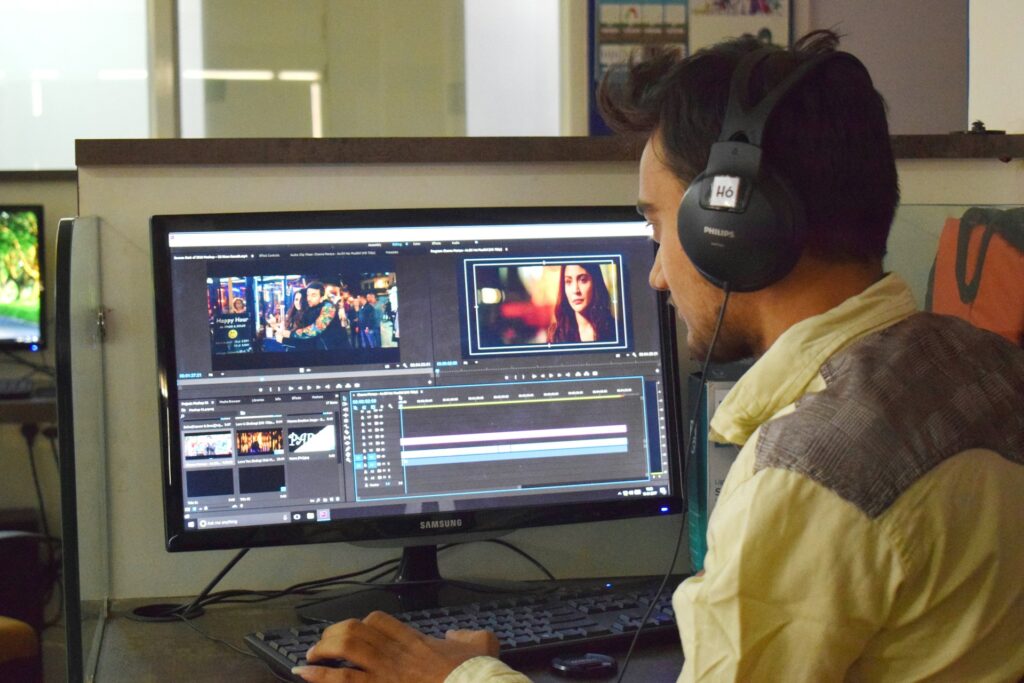
The tools used by videographers play a major role in both creative quality and production efficiency. As video content continues to evolve, having the right tools becomes essential for staying competitive.

In 2025, videographers rely not only on hardware but also on digital resources and inspiration platforms.

Editing Software and Workflow

Professional editing software allows creators to refine storytelling through pacing, transitions, and sound design. Efficient workflows reduce production time and improve consistency across projects.

Understanding how to optimise editing workflows is as important as mastering the software itself.

Creative Editing Resources

Resources such as LUTs, transitions, overlays, and sound effects help elevate production value. These assets allow creators to achieve professional results without starting from scratch on every project.

Using curated, high-quality resources also ensures visual consistency.

Inspiration as a Tool

Inspiration platforms play a crucial role in creative development. Studying real projects helps videographers understand trends, techniques, and storytelling approaches.

Inspiration should be treated as a creative tool, not just entertainment.

Balancing Tools and Creativity

While tools are important, creativity remains the foundation of strong video content. The most effective creators know how to combine technical tools with creative intuition.


Conclusion

In 2025, successful videographers combine strong creative skills with efficient tools and inspiration systems. Investing in both technology and creativity ensures long-term growth.

Subscribe to Our Newsletter

  • How to Find Creative Inspiration

    28 October 2025

    Discover practical techniques to find creative inspiration for video projects.

    Read More

  • The Importance of Framing in Visual Storytelling

    17 October 2025

    Learn why framing in visual storytelling is essential and how composition shapes emotion, narrative, and viewer engagement.

    Read More

  • Building A Consistent Visual Style As A Videographer

    11 November 2025

    Learn how to build a consistent visual style as a videographer and strengthen your creative identity across all video projects.

    Read More

Continue reading

The Importance of Framing in Visual Storytelling

The Importance of Framing in Visual Storytelling

 |  Lancelot Schweicher

Introduction

Framing is one of the most important elements of visual storytelling. It determines how viewers perceive a scene, where their attention is directed, and how emotions are communicated.

For videographers, understanding framing is essential to creating visually compelling and meaningful content.

What Is Framing in Video?

Framing refers to how subjects and elements are positioned within the video frame. It includes camera angle, distance, composition, and movement.

Every framing choice sends a message to the viewer, whether intentional or not.

How Framing Shapes Emotion

Wide shots can communicate scale, isolation, or freedom, while close-ups create intimacy and emotional connection. Medium shots often balance context and emotion.

Framing directly influences how viewers feel and interpret the story.

Composition Techniques

Effective framing often relies on classic composition techniques such as:

  • Rule of thirds

  • Leading lines

  • Symmetry and balance

  • Negative space

Using these techniques helps guide the viewer’s eye naturally through the frame.

Framing and Visual Identity

Consistent framing choices help creators develop a recognisable visual style. Over time, these choices become part of a creator’s signature look.

This consistency is especially valuable for brands and creators building long-term visual identities.


Conclusion

Framing is not just a technical decision but a storytelling tool. By mastering framing techniques, videographers gain more control over emotion, narrative, and audience engagement.

Subscribe to Our Newsletter

  • How to Find Creative Inspiration

    28 October 2025

    Discover practical techniques to find creative inspiration for video projects.

    Read More

  • Essential Tools for videographers

    25 November 2025

    Explore the essential tools every videographer should use in 2025 to improve workflow, creativity, and production quality.

    Read More

  • Building a Consistent Visual Style as a Videographer

    11 November 2025

    Learn how to build a consistent visual style as a videographer and strengthen your creative identity across all video projects.

    Read More

Continue reading

How to Find Creative Inspiration for Video Projects

How to Find Creative Inspiration for Video Projects

  |  Lancelot Schweicher

Introduction

Finding creative inspiration for video projects is one of the most common challenges faced by videographers and content creators. Whether you are working on personal projects, client work, or content for social media, creative blocks can slow down production and reduce motivation.

Creative inspiration is not something that appears randomly. It is a process that can be developed, structured, and refined over time. By understanding where ideas come from and how to nurture them, videographers can maintain creative consistency and confidence.

This article explores practical and professional ways to find creative inspiration and turn ideas into strong visual concepts.

Understanding Creative Blocks

Creative blocks often occur when creators consume too little inspiration or rely on the same references repeatedly. Working under pressure, tight deadlines, or repetitive formats can also limit creative thinking.

Recognising that creative blocks are normal helps creators approach them with a problem-solving mindset rather than frustration.

Look Beyond the Video Industry

Inspiration does not only come from watching videos. Photography, graphic design, architecture, fashion, and even music can influence visual storytelling.

Studying composition in photography or colour usage in design can introduce new visual approaches that can later be applied to video projects.

Build a Personal Inspiration Library

Creating a visual reference library is one of the most effective ways to stay inspired. Saving frames, colour palettes, lighting setups, and camera movements allows creators to quickly access inspiration when starting a new project.

A structured inspiration platform helps centralise ideas and reduces time spent searching for references online.

Analyse Visuals Instead of Copying

Copying ideas limits creative growth. Instead, analysing why a visual works helps creators understand storytelling principles.

Ask questions such as:

  • Why does this framing feel powerful?

  • How does colour influence emotion?

  • How does pacing affect engagement?

This analytical approach leads to original ideas rather than imitation.


Conclusion

Creative inspiration is a skill that improves with practice. By exploring diverse references, analysing visuals critically, and building an organised inspiration system, videographers can consistently develop strong and original ideas for their projects.

Subscribe to Our Newsletter

  • essential-tools-videographers-2025

    Essential Tools For Videographers

    25 November 2025

    Explore the essential tools every videographer should use in 2025 to improve workflow, creativity, and production quality.

    Read More

  • Building A Consistent Visual Style As A Videographer

    11 November 2025

    Learn how to build a consistent visual style as a videographer and strengthen your creative identity across all video projects.

    Read More

  • The Importance Of Framing In Visual Storytelling

    17 October 2025

    Learn why framing in visual storytelling is essential and how composition shapes emotion, narrative, and viewer engagement.

    Read More

Continue reading